Fix the source first. Cleaning or replacing carpet before the roof leak is repaired wastes money, because the next rain will soak the same spot again. Once the leak is stopped, the carpet and pad need to be dried within 24 to 48 hours, and that timeline largely decides whether cleaning is enough.
Quick Answer: Stop the roof leak before treating the carpet, then extract the water and dry the area within 24 to 48 hours. Carpet that dries quickly from a clean rainwater leak can often be cleaned and kept. Carpet that stayed wet longer, smells musty, or has a separating backing usually needs a new pad or full replacement.
A brown ring on the carpet along an exterior wall, under a window, or below a ceiling stain is often the first sign that a roof has started leaking. Most homeowners treat it like any other spill and reach for a stain remover. The problem is that the carpet is only the last stop on a path that began on the roof, and the visible stain rarely shows how much moisture is sitting in the pad underneath. This article explains the right order of steps, how to read what a water stain is telling you, when cleaning is a reasonable fix, and when replacing the pad or the carpet is the smarter choice.
Stop the Roof Leak Before You Touch the Carpet
Water that gets past a roof rarely drops straight down. It enters at a weak point such as lifted flashing, a cracked pipe boot, or a missing shingle, then runs along the roof decking, down rafters, and through the attic before it finds a way into the living space. Sometimes it travels inside a wall cavity and comes out at the baseboard, which is why the wettest carpet can sit several feet from where the water actually entered. A ceiling that looks dry does not rule out a roof leak.
Cleaning the carpet while the leak is still active means it gets soaked again with every storm. Each wet cycle gives mold more time to grow, pulls more staining material up into the fibers, and weakens the adhesive that holds the carpet backing together. In the meantime, move furniture off the wet area, catch any active drips, and run fans and a dehumidifier. Do not climb onto a wet or storm-damaged roof to look for the problem yourself.
This is why many roofing companies offer fast leak response. In Middle Tennessee, for example, Red Rover Roofing offers same-day response on leak calls and assesses whether the problem is a targeted repair or part of a larger roof system issue. Whoever you call, the roofer should find the actual entry point, not just patch the spot above the stain.
The roofer’s findings also matter for the carpet decision. A single storm that tore off a few shingles produces a short, recent soaking. A slow flashing leak that has dripped for weeks or months means the pad, tack strip, and possibly the subfloor have been wet far longer than the stain suggests, and that changes what can be saved.
What a Water Stain on Carpet Is Telling You
The brown or yellow ring that appears after a leak is usually caused by a process called wicking. As wet carpet dries, moisture moves upward from the backing and pad toward the fiber tips and carries dissolved dirt, residue, and tannins with it. When the water evaporates at the surface, those materials stay behind and concentrate at the drying edge. Carpets with natural fiber backings, such as jute, are especially prone to this kind of browning.
A common misconception is that the stain marks the full extent of the water. In reality, the ring often shows only where the surface happened to dry last. The pad underneath works like a sponge, and moisture typically spreads wider than what you can see. A restoration technician or carpet professional will usually check the area with a moisture meter before deciding how much material is affected.
It also helps to know that roof leak water is not always clean by the time it reaches the floor. Rain may start out relatively clean, but it can pick up attic dust, insulation fibers, drywall material, and wood tannins on the way down. The longer it sits, the more it can degrade. Restoration professionals often follow the IICRC water damage categories, which treat water more cautiously as contamination and time increase, and that classification affects whether carpet and pad can be safely cleaned.
When Cleaning the Carpet Is Enough
Cleaning is often a reasonable option when the leak was caught quickly, the carpet and pad were dried within about 24 to 48 hours, there is no musty odor, and the backing still feels firm and flat. In that situation, the remaining problem is usually cosmetic browning rather than structural damage. Many water stains respond well to a mildly acidic treatment, because browning tends to get worse with high-pH cleaners and slow drying.
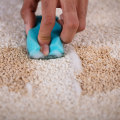
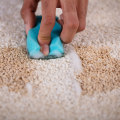
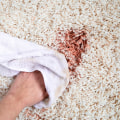
For a light stain, a diluted white vinegar solution blotted onto the area and then dried quickly with fans can help. Test it on a hidden spot first, especially on wool or brightly dyed carpet. Use as little moisture as possible, because soaking the area again during cleaning restarts the wicking process and can bring the ring right back. Work gently and blot rather than scrub, which can distort the pile.
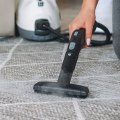
If the stain fades and then returns a day or two later, that usually means residue is still in the pad or backing and is wicking up again. At that point, a professional cleaner with extraction equipment and a dedicated browning treatment is the better approach. A professional can also tell you whether the pad underneath has dried out properly or whether it is holding moisture that will keep causing problems.
When the Pad or the Carpet Should Be Replaced
The carpet pad is often the first thing to go. Pad absorbs far more water than carpet, dries slowly, and is relatively inexpensive, so replacing a soaked section of pad is often easier than trying to dry it fully. In many cases, a professional can lift the carpet, replace the pad, dry the subfloor, and reinstall the original carpet. That is a common middle ground between cleaning and full replacement.
Full carpet replacement makes more sense when the damage goes beyond the surface. One warning sign is delamination, where the secondary backing separates from the primary backing because prolonged moisture breaks down the latex adhesive. You may notice ripples, bubbles, or a backing that peels away at the edges. Other signs include a musty smell that returns after cleaning, visible mold on the backing or tack strip, shrinkage or separated seams, and carpet that stayed wet for more than about 48 hours.
That 48-hour window matters because the EPA recommends drying water-damaged materials within 24 to 48 hours to help prevent mold growth. A slow roof leak can easily blow past that window before anyone notices it. When the roofer finds evidence of a long-term leak, it is worth having the tack strip, subfloor, and lower wall checked as well, since replacing the carpet over a damp subfloor only moves the problem out of sight.
Document the Damage Before Anything Is Cleaned or Removed
If you plan to file an insurance claim, take photos before you clean, cut out, or throw away anything. Photograph the carpet stain, any ceiling or wall marks, the attic if it is safe to access, and the damaged roof area as the roofer finds it. Keep a sample of the damaged pad or carpet if it has to be removed. Once evidence is cleaned up or covered by a temporary repair, it becomes harder to show what happened.
Coverage depends on your policy. Many policies treat sudden storm damage differently from leaks caused by long-term wear or deferred maintenance, and the insurance company makes the final decision. A roofer’s written findings on the cause and likely timing of the leak, together with a carpet professional’s assessment, give the adjuster a clearer picture of both the source and the interior damage.
Frequently Asked Questions
Can a water stain on carpet come back after cleaning?
Yes. If moisture or residue is still trapped in the pad or backing, it can wick back up to the surface as the carpet dries. This is one of the most common reasons a cleaned water stain reappears. Fast drying with fans and a dehumidifier reduces the chance, and stubborn cases may need extraction and a professional browning treatment.
Is it safe to keep carpet that got wet from a roof leak?
It can be, if the carpet was dried within 24 to 48 hours, smells normal, and shows no mold or backing separation. Carpet that stayed wet longer, came into contact with contaminated water, or developed an odor carries more risk. A professional inspection is the most reliable way to decide.
Should I pull up the wet carpet myself?
Lifting a corner to check the pad and speed up drying is usually fine if you are careful. Wet carpet is heavy, tack strips are sharp, and pulling too hard can stretch the carpet or tear seams. If a large area is soaked, a restoration or carpet professional can lift and dry it without damaging the carpet.
How do I know if the roof is still leaking?
Check the same area after the next heavy rain, look for new ceiling or wall marks, and watch whether the damp spot grows. Because water can travel before it shows up indoors, the most reliable answer comes from a roof inspection that traces the leak back to its entry point.
Getting the Order Right
The decision between cleaning and replacing water-stained carpet depends on what happened above it. Stop the leak first so the carpet is not soaked again, dry everything as quickly as possible, and document the damage before cleanup. Then judge the carpet on how long it stayed wet, whether the pad and backing held up, and whether any odor or mold has developed. Following that order helps you avoid paying to clean a carpet that will get soaked again or replacing one that could have been saved.